
Why Minerals Matter for Detoxification

As a functional dietitian, one of the biggest misconceptions I see around detoxification is the idea that it’s something you do for a few days—juice cleanses, detox teas, or extreme protocols designed to “flush toxins out.”
In reality, detoxification is a continuous, highly regulated process your body is performing every single day. And one of the most overlooked pieces of this process? Minerals.
Without adequate minerals, detox pathways slow down, become inefficient, or even back up which often worsening symptoms like fatigue, headaches, hormone imbalance, histamine issues, bloating, and skin flares.
Let’s break down why minerals are so essential for detoxification, and why mineral depletion is one of the biggest hidden blocks to healing.
First: What Detoxification Really Is
Detoxification is not about forcing toxins out faster. It’s about biochemical transformation—turning substances your body can’t eliminate into forms it can safely excrete through:
Stool
Urine
Sweat
Breath
This happens primarily in the liver, but also relies on the gut, kidneys, lymphatic system, and skin.
These processes require:
Enzymes
Cofactors
Electrolytes
Adequate energy (ATP)
And minerals are central to all of them.

Minerals: The Spark Plugs of Detox Pathways
Minerals don’t detox you directly, but they activate the enzymes that do.
Think of minerals as the spark plugs that allow detox pathways to fire. You can eat all the “clean” foods and take all the supplements, but without minerals, those pathways simply don’t run efficiently.
Detoxification is an extremely energy expensive process. If you are already running on fumes, pushing through a detox protocol will most likely result in more symptoms and more depletion.
Key Minerals Involved in Detoxification
Magnesium: The Master Mineral
Magnesium is required for over 300 enzymatic reactions, many of which are involved in detoxification and stress regulation.
It supports:
Phase I & Phase II liver detox enzymes
Glutathione production (your body’s primary antioxidant)
Bile flow and elimination
Nervous system regulation (preventing detox from feeling overwhelming)
Low magnesium often shows up as:
Sensitivity to supplements
Constipation
Muscle tension
Poor sleep
Worsening symptoms when “detoxing”
Zinc: Cellular Repair & Toxin Defense
Zinc is critical for:
Antioxidant enzyme activity
Gut barrier integrity
Immune regulation during detox
Without zinc, detoxification can create more oxidative stress than relief.
Signs of zinc deficiency may include:
Poor wound healing
Frequent infections
Acne or skin issues
Loss of taste or smell
Selenium: Glutathione Protection
Selenium is essential for enzymes that protect glutathione from being depleted too quickly.
It supports:
Thyroid hormone metabolism
Heavy metal detoxification
Antioxidant defense during detox
Low selenium can leave people feeling exhausted, inflamed, or “burned out” when trying to support detox pathways.
Iron & Copper: Oxygen and Energy Balance
These minerals help transport oxygen and support mitochondrial energy production, both of which are necessary for detoxification to occur efficiently.
When iron or copper balance is off, detox can feel draining instead of supportive.
Sodium & Potassium: Cellular Detox and Hydration
These electrolytes regulate:
Cellular hydration
Nerve signaling
Kidney elimination pathways
Low sodium or potassium can cause:
Dizziness
Fatigue
Heart palpitations
Poor toxin clearance through urine
This is especially important for people with adrenal stress, histamine intolerance, or chronic fatigue.
Why So Many People Are Mineral Deficient
Even those eating “healthy” diets can be low in minerals due to:
Depleted soils
Chronic stress (stress burns through minerals rapidly)
Poor digestion or low stomach acid
Gut infections or dysbiosis
High toxin exposure increasing mineral demand
Overuse of caffeine or alcohol
Add detox protocols on top of this without repleting minerals, and symptoms often worsen instead of improve.
Mineral Deficiency Can Mimic “Detox Reactions”
Many symptoms blamed on “detox” are actually signs of mineral depletion, including:
Headaches
Fatigue
Anxiety or irritability
Heart palpitations
Constipation
Nausea
This is why supporting minerals must come before or alongside detox, so your body has enough fuel and support to successfully clear the toxins.
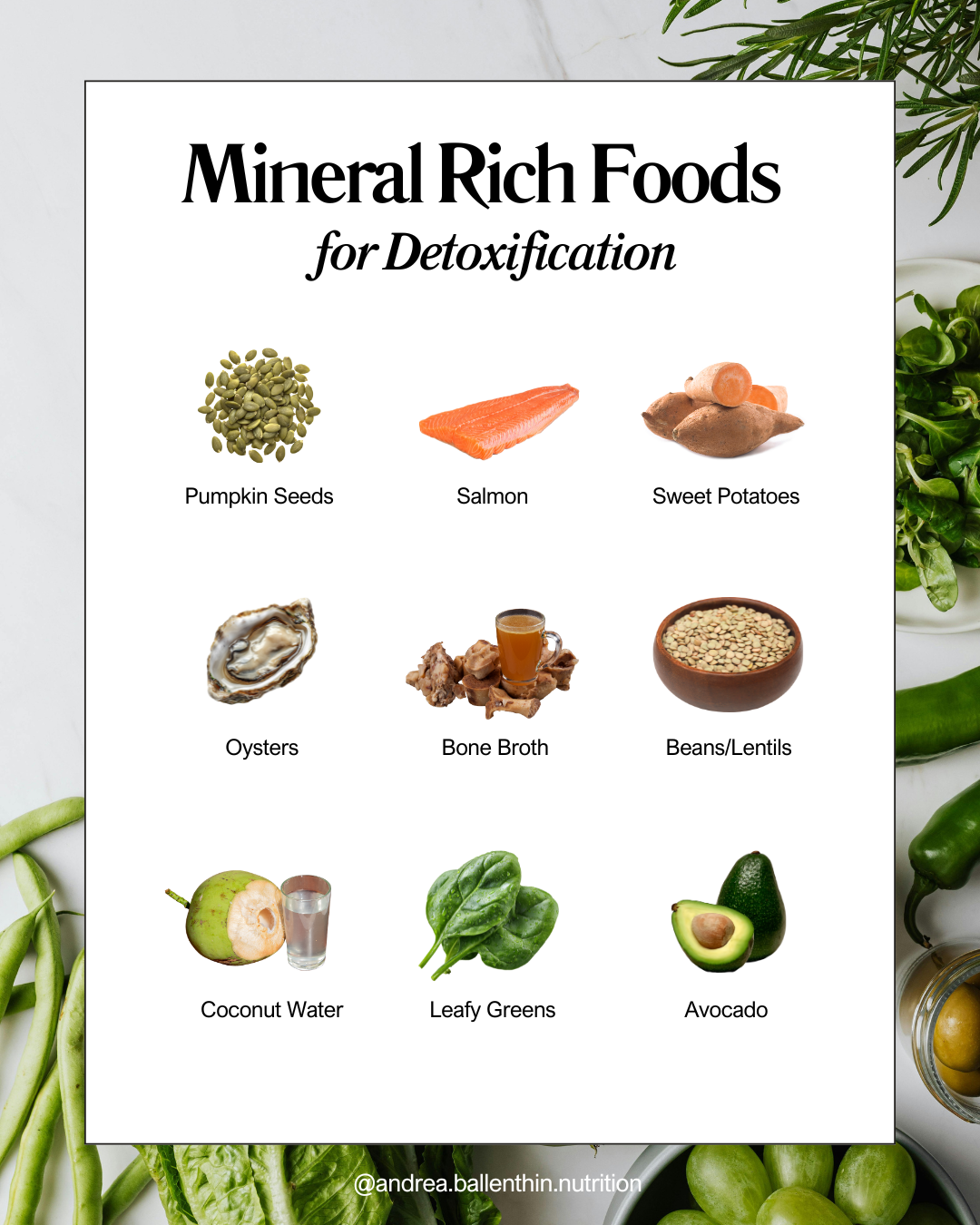
Food First: Mineral-Rich Foods for Detox Support
Some of the most supportive mineral-rich foods include:
Leafy greens (magnesium, potassium)
Root vegetables (potassium, magnesium)
Pumpkin seeds, sunflower seeds (zinc, magnesium)
Lentils and beans (iron, potassium)
Avocado (potassium, magnesium)
Mineral-rich liquids (bone broth, coconut water, aloe vera juice)
However, food alone is not always enough, especially in those with digestive issues or increased needs. You may need to supplement in some areas, especially if you are deficient.
True detoxification is not about pushing harder. It’s about building resilience and capacity so your body can process toxins without becoming overwhelmed.
That means supporting mineral status, ensuring regular bowel movements, stabilizing blood sugar, supporting bile flow, regulating the nervous system.
When minerals are in place, detoxification becomes smoother, gentler, and far more sustainable.
Supplemental Minerals
While getting minerals through food is the preferred source, however there are times with supplementing with minerals is beneficial. My favorite mineral product is Remineralize by Body Bio. This ionic formula of 72 minerals ensures superior absorption and supports cellular hydration, detoxification, regeneration, and growth. BodyBio enforces rigorous quality control, including comprehensive testing for mineral composition, microbials, heavy metals, allergens, herbicides, and more.
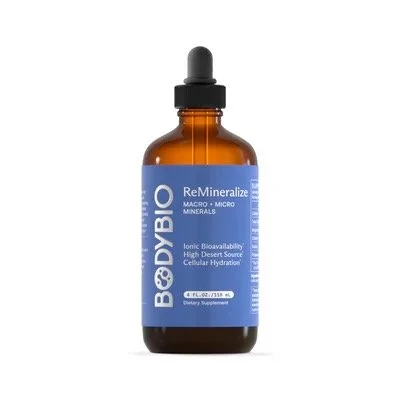
Replaces minerals lost in filtered water.
Energy and vitality boost.
Better hydration for healthy hair, skin and nails.
Supports nervous system resilience.
If you are looking for support along your detoxification journey, schedule a free strategy call here, to see how I can help!