
Spring Allergies, Histamine, and the Gut Connection
Why your digestion, hormones, and immune system all matter this time of year.
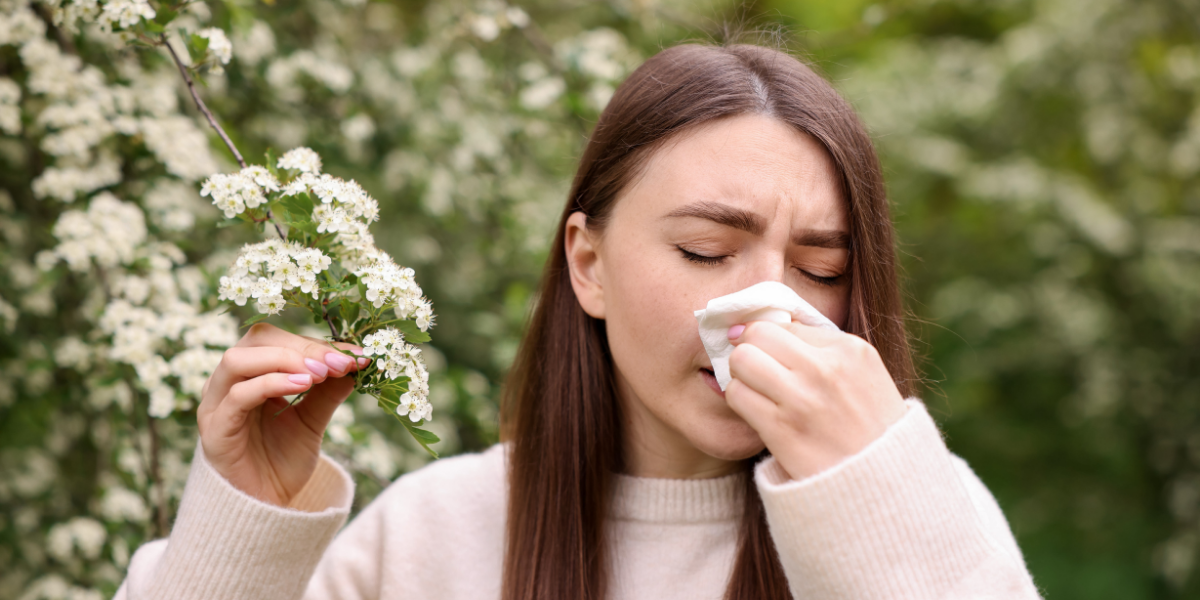
Spring is often framed as a season of renewal, but for many people, it comes with allergies, bloating, headaches, skin flares, anxiety, or fatigue that feel anything but refreshing.
What most don’t realize is that seasonal allergies aren’t just an “immune issue.” They’re deeply connected to your gut, liver, nervous system, and overall histamine balance.
Let’s break down what’s actually happening and what helps.
What Is Histamine (and Why Does It Matter in Spring)?
Histamine is a natural chemical messenger involved in:
Immune defense
Digestion (stimulates stomach acid)
Brain signaling
Inflammatory responses
In spring, exposure to pollen, mold, and environmental allergens increases histamine release. This is normal, but symptoms arise when histamine builds up faster than your body can break it down.
Common high-histamine symptoms include:
Sneezing, congestion, itchy eyes
Headaches or migraines
Bloating, diarrhea, or reflux
Skin rashes or flushing
Anxiety, irritability, or poor sleep
PMS flares or cycle changes
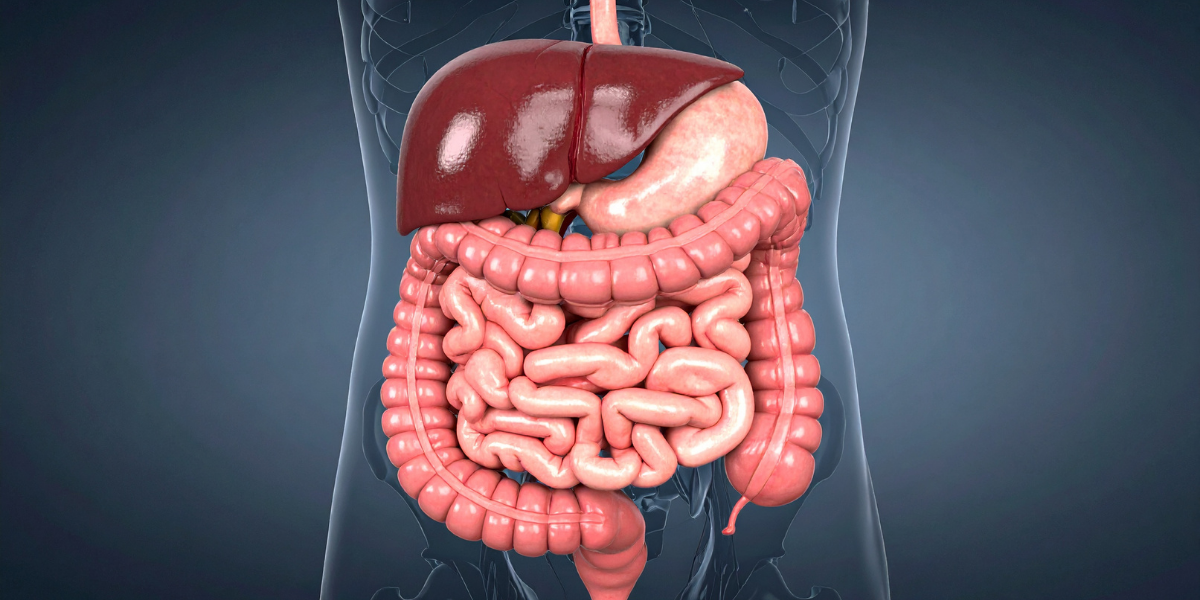
The Gut–Histamine Connection
About 70–80% of your immune system lives in the gut, and your gut plays a major role in both histamine production and clearance.
Here’s how gut health affects spring allergies:
1. Certain Gut Bacteria Produce Histamine
Some bacterial strains naturally produce histamine. When the gut microbiome is imbalanced (dysbiosis), histamine production can increase adding fuel to seasonal allergy symptoms.
2. Poor Gut Lining = More Histamine Absorption
If the intestinal lining is irritated or permeable, histamine is more likely to:
Enter circulation
Trigger systemic symptoms
Overwhelm detox pathways
3. Digestive Enzymes Help Break Down Histamine
The enzyme DAO (diamine oxidase) helps break down histamine in the gut. DAO production can be reduced by:
Gut inflammation
Nutrient deficiencies (B6, copper, vitamin C)
Chronic stress
Hormonal shifts (especially estrogen dominance)
The Liver’s Role in Histamine Clearance
Your liver helps metabolize histamine after it enters circulation. In spring, liver load often increases due to:
Seasonal inflammation
Hormone shifts
Increased environmental exposure
Higher alcohol or sugar intake as routines change
If liver detox pathways are sluggish, histamine lingers longer—intensifying symptoms.
Why Women Often Feel This More in Spring
Estrogen can increase histamine release, and histamine can also stimulate estrogen creating a feedback loop.
This is why many women notice:
Worse allergies before their period
PMS or cycle symptoms worsening in spring
Migraines or anxiety tied to hormonal shifts
This isn’t a failure of your body—it’s a sign your systems need support, not restriction.
Why “Low-Histamine Diets” Aren’t the Long-Term Answer
Many people are told to remove:
Fermented foods
Leftovers
Aged foods
Citrus
Vinegar
Bone broth
While this may reduce symptoms short-term, long-term restriction can worsen gut resilience and microbial diversity.
The goal is not to avoid histamine forever, it’s to increase your tolerance by improving clearance and regulation.
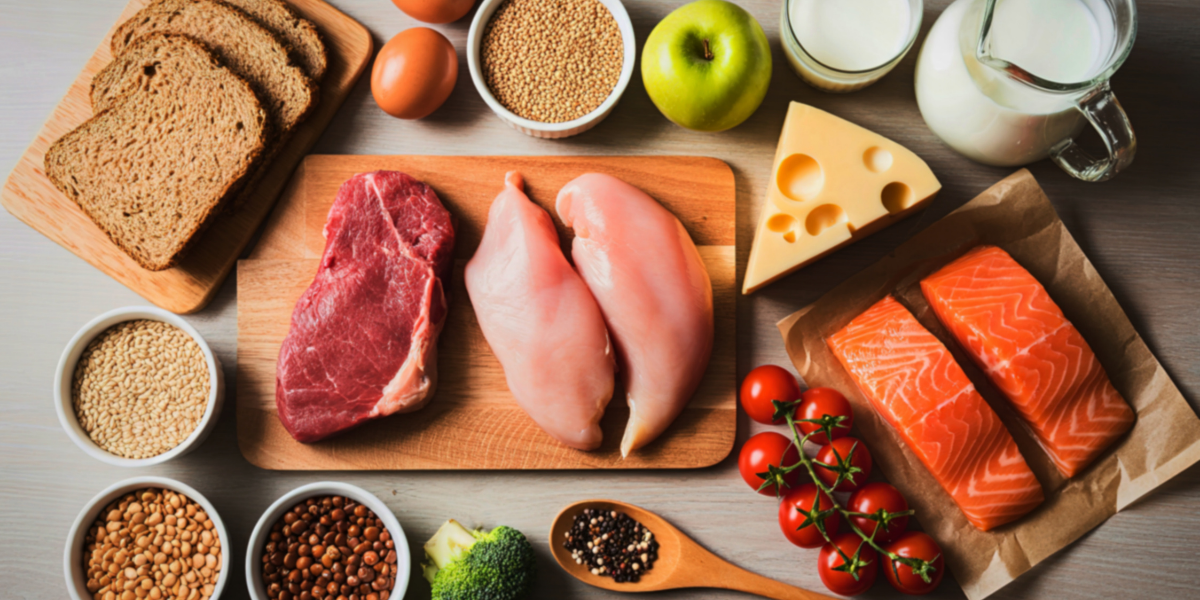
Functional Nutrition Strategies That Actually Help
1. Support Gut Integrity
Focus on foods that calm inflammation and support the gut lining:
Cooked vegetables over raw if digestion is sensitive
Adequate protein for tissue repair
Zinc-rich foods (pumpkin seeds, shellfish, meat)
Glycine-rich foods (slow-cooked meats, collagen if tolerated)
2. Gently Support the Liver
Spring-friendly liver support includes:
Bitter greens (arugula, dandelion, radicchio)
Adequate fiber (not extreme detoxes)
Choline-rich foods (eggs, fish, legumes)
Consistent meals to support bile flow
3. Stabilize Blood Sugar
Blood sugar swings increase inflammatory signaling and histamine release.
Aim for:
Protein at every meal
Balanced carbs (not skipping them)
Regular meal timing
4. Reduce Nervous System Load
Histamine release is amplified by stress.
Simple daily supports:
Slow breathing before meals
Gentle movement (walking, mobility)
Earlier bedtimes as daylight increases
Less pressure to “cleanse” or overhaul everything at once

Some of my favorite allergy support supplements and be found in Fullscript in the Spring Allergy Plan.
Butyrate - One of the most overlooked pieces in seasonal allergies is butyrate—a short-chain fatty acid produced by a healthy gut microbiome that helps regulate immune tolerance and reduce histamine release. Instead of just blocking symptoms, supporting butyrate levels helps calm the immune system at the source
Hist Reset - This helps stabilize mast cells and reduce histamine-driven inflammation. Its combination of flavonoids and nutrients supports both histamine metabolism and immune balance, making it especially helpful during peak allergy season
Epi Inegrity - When the gut lining is compromised, the immune system is more likely to overreact to environmental triggers like pollen. Epi-Integrity Powder combines glutamine, prebiotics, and botanicals to support gut barrier repair and modulate immune responses directly within the gut.
The Takeaway
Spring allergies aren’t just about pollen.
They’re a conversation between your gut, immune system, liver, hormones, and nervous system.
Instead of fighting your body with restriction or aggressive detoxes, spring is an ideal time to:
Build digestive resilience
Improve histamine clearance
Support immune balance
Create routines that work with seasonal change
If spring feels harder than it “should,” your body isn’t broken, it’s communicating.
If you are looking for guidance on how to improve your gut health to help with histamine clearance and regulation, schedule a free strategy call here!