
Eczema Starting in the Gut? What Intestinal Permeability + Stool Testing Can Reveal
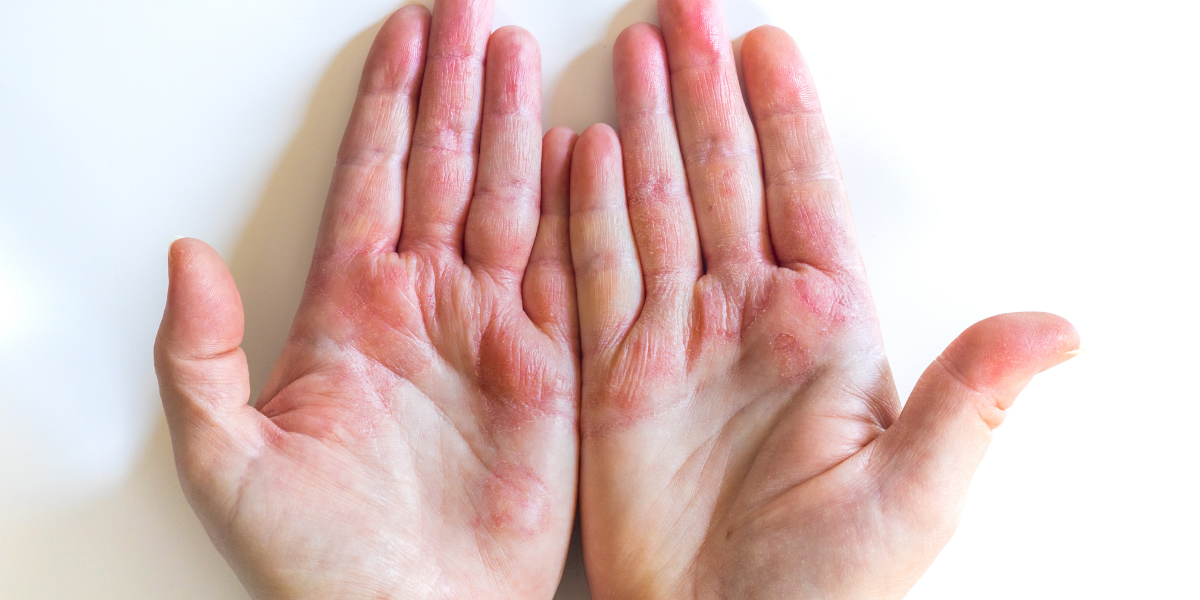
If you struggle with eczema, you’ve probably tried countless lotions, creams, and steroid treatments only to see flare-ups return. That’s because eczema is often not just a skin issue. It usually begins deeper: in the gut.
Let’s break down the connection between intestinal permeability (“leaky gut”), inflammation, and eczema and how functional stool testing gives us a clear window into the root causes.
How Intestinal Permeability Drives Eczema
Your gut lining acts as a strong but selective barrier. When it’s functioning properly, it allows nutrients in while keeping inflammatory substances out.
But stress, poor diet, infections, dysbiosis, and environmental toxins can weaken this lining. This leads to intestinal permeability, where molecules that don’t belong in the bloodstream begin to pass through.
Why does this matter for skin?
Because once these particles cross the gut barrier, they trigger:
Immune activation
Systemic inflammation
Overreactive immune responses
This cascade contributes to a weakened skin barrier, more irritation, and increased susceptibility to eczema flare-ups.
In simple terms:
A leaky gut often leads to leaky, reactive skin.
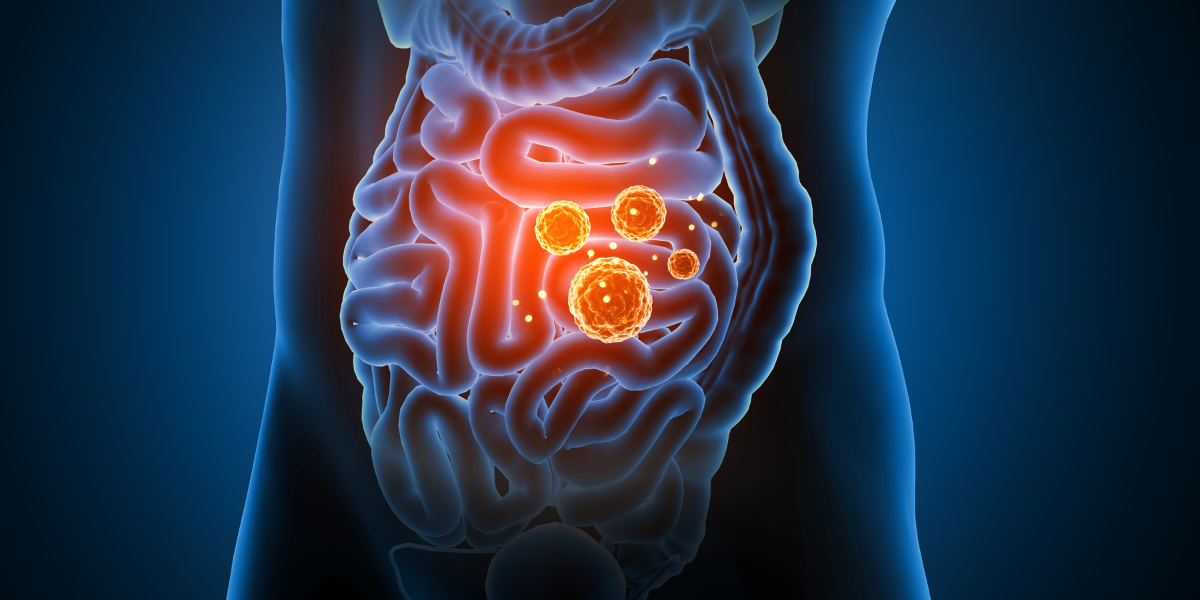
Gut Inflammation → Skin Inflammation
Research shows that individuals with eczema often have:
Altered gut microbiome balance
Higher levels of inflammatory mediators
Increased intestinal permeability
Lower microbial diversity
When the gut is inflamed, the skin becomes more vulnerable, dry, and easily irritated, which is why eczema frequently overlaps with digestive symptoms like bloating, food sensitivities, or irregular bowel habits.
How Stool Testing Helps Uncover Root Causes
This is where functional stool testing becomes invaluable. Rather than guessing, we can measure what’s happening inside the gut and identify specific triggers contributing to eczema. This is exactly why I include stool testing in my 12 week Repair and Restore your Gut Program - so we can create a clear an individualized plan to address your imbalances.
Here’s what stool testing can reveal:
1. Overgrowth of Problematic Bacteria (like Staphylococcus aureus)
Staphylococcus aureus is strongly associated with eczema and is often found on the skin of those with chronic flares, but what many don’t know is that gut colonization of Staphylococcus can also play a role.
If stool testing reveals Staphylococcus overgrowth, it may suggest:
Compromised intestinal barrier
Immune activation
Increased histamine or inflammatory burden
Addressing this internally can dramatically reduce skin irritation and flare frequency.
2. Infections such as H. pylori
Helicobacter pylori is a stomach bacterium that:
Increases inflammation
Impairs nutrient absorption
Raises histamine load
Disrupts stomach acid needed for digestion
All of these contribute to downstream dysbiosis and intestinal permeability, both known triggers for eczema.
If H. pylori is present, addressing it can improve:
Skin inflammation
Food reactions
Nutrient status
Overall gut function
3. Dysbiosis & Low Beneficial Bacteria
Stool testing helps us assess:
Low SCFA-producing bacteria (like Faecalibacterium, Roseburia)
Overgrowth of opportunistic species
Evidence of yeast or fungal imbalances
Microbial shifts that weaken the gut barrier
These imbalances are often seen in eczema and play a central role in inflammation.
4. Markers of Intestinal Permeability & Immune Stress
Tests can show:
Elevated zonulin
Elevated calprotectin (gut inflammation)
Secretory IgA (immune response)
Pancreatic elastase (digestion efficiency)
This gives us a deeper understanding of what’s driving skin symptoms starting with digestive ingredients that are missing in action.
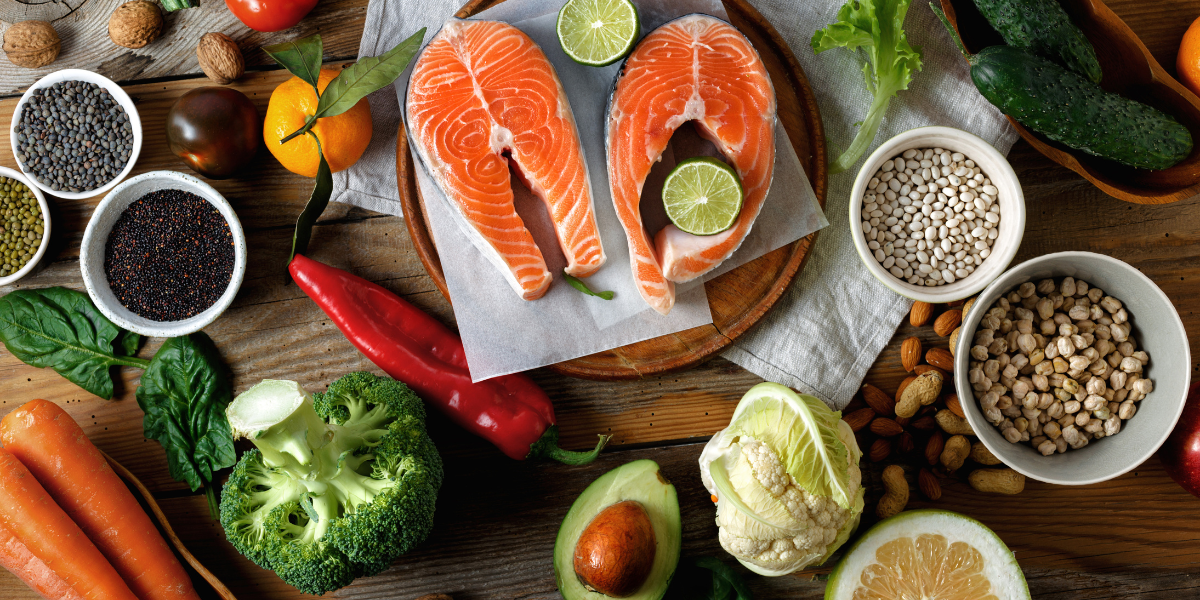
Healthy food that supports the skin barrier like salmon, nuts, avocado, broccoli and carrots
Supporting the Gut–Skin Axis Naturally
Once we have stool testing insights, we can develop a targeted plan that supports both gut lining repair and skin barrier health.
Research backed strategies include:
Increasing fiber & polyphenols to feed beneficial bacteria
Think: oats, berries, leafy greens, nuts/seeds, beans and legumes.
Adding omega-3 rich foods for inflammation support
Think: wild caught fatty fish, chia seeds, flaxseeds, walnuts, and hemp hearts
Using probiotics or fermented foods (as tolerated)
Think: kimchi, sauerkraut, kefir, or yogurt
Reducing inflammatory and triggering foods
Think: alcohol, processed foods, refined sugar, and gluten
Supporting digestion with enzymes or bitters
Think: dandelion greens, arugula, lemon
Addressing bacterial or fungal overgrowths based on results
Healing the gut frequently results in improved hydration, smoother skin texture, fewer flares, and a more resilient skin barrier.
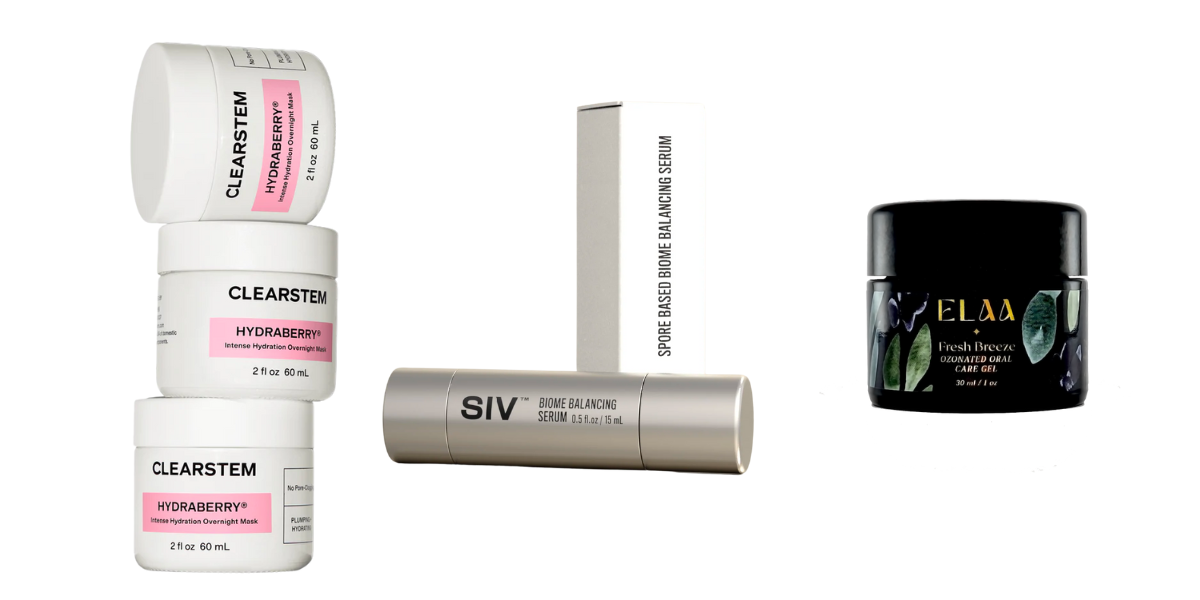
Skin Barrier topicals
My Favorite Topical Skin Barrier Products
While you need to address the internal terrain to see lasting results, topical products do have their role as well. Here a few of my favorites:
An intensely hydrating barrier supporting overnight mask made with Magnesium PCA, Arnica Flower, and Ceramides that helps to plum skin, boost moisture, and improve the skin barrier.
After The Rain - Activated Oxygen Miracle Balm by Elaa:
A powerful fully ozonated skin barrier treatment that is clinically proven to regenerate skin and tissue. The oils work to soothe, reduce inflammation, and reverse signs of aging by improving circulation and revitalizing cells.
Oilless Oil Free Moisturizer by TAHNYC:
A silk like oil free moisturizer that deeply hydrates while helping to calm and soothe the most sensitive skin, leaving a nourished soft healthy glow. It is ideal for all skin types, respecting acne prone, rosacea and highly sensitive reactive skin.
It is formulated to mimic your skin's acid barrier, which means it nourishes your skin instead of stripping it. Gentleclean combines gentle surfactants, antioxidants, and hydrating minerals to cleanse, brighten, and nourish your skin.
Gentle Everyday Cleanser by TAHNYC:
It is cleanly formulated to cleanse without stripping the moisture barrier of even the most sensitive skin. It restores and maintains the skins pH balance and equilibrium, leaving skin soft, supple, healthy and glowing. This formulation doesn't include fillers and doesn't have add-ons, it's sole purpose is to remove the day away, restore pH balance,
A spore based topical treatment that adapts with your skin’s unique skin microbiome to help build a balanced skin environment and increase your skin’s resilience to environmental stressors and aging.
The Takeaway:
Eczema doesn’t start with “bad skin.” It often starts with immune dysregulation and barrier breakdown — beginning in the gut. When you support intestinal permeability, nourish your microbiome, and calm inflammation, the skin often becomes less reactive, more hydrated, and more resilient.
Healing from the inside and outside creates the most sustainable results.
Ready to begin your healing journey? Schedule a FREE strategy call here.