
Consequences of Long Term PPI/Anti-acid Use

Stomach acid has been misunderstood for decades. In a culture where reflux, bloating, and indigestion are common, acid is often blamed as the problem when in reality, adequate stomach acid is one of the most important foundations of digestive health.
Low stomach acid (hypochlorhydria) can quietly contribute to nutrient deficiencies, gut imbalances, and persistent digestive symptoms even in people taking acid-suppressing medications.
Let’s break down why stomach acid matters, what affects its production, and how to support it safely.
What Is Stomach Acid and Why Do We Need It?
Stomach acid (hydrochloric acid, or HCl) is produced by specialized cells in the stomach lining. Its job extends far beyond “breaking down food.”
1. Protein Digestion Starts in the Stomach
Stomach acid:
Denatures protein (unfolds it so enzymes can work)
Activates pepsin, the enzyme that breaks protein into amino acids
When stomach acid is low, protein digestion is incomplete, which can lead to:
Bloating and heaviness after meals
Gas and fermentation
Undigested food particles reaching the intestines
This increases workload on the pancreas and small intestine and can contribute to gut irritation over time.
2. Stomach Acid Is Required for Nutrient Absorption
Adequate acid is essential for absorbing several key nutrients, including:
Vitamin B12 (released from food by acid)
Iron (especially non-heme iron from plant foods)
Calcium
Magnesium
Zinc
Low acid over time can quietly contribute to fatigue, hair thinning, brittle nails, low immunity, and hormone imbalances.
3. It Acts as a Gatekeeper Against Pathogens
Stomach acid is one of the body’s first lines of defense.
Healthy acid levels help:
Kill harmful bacteria, parasites, and viruses
Prevent foodborne pathogens from reaching the intestines
Regulate bacterial balance in the gut
When acid is suppressed long term, the risk of bacterial overgrowth and dysbiosis increases.
4. Stomach Acid Signals the Rest of Digestion
Stomach acid triggers:
Release of bile from the gallbladder
Secretion of pancreatic enzymes
Proper timing of stomach emptying
Without enough acid, digestion downstream becomes inefficient, contributing to:
Fat malabsorption
Floating or pale stools
Constipation or diarrhea
Bloating hours after eating
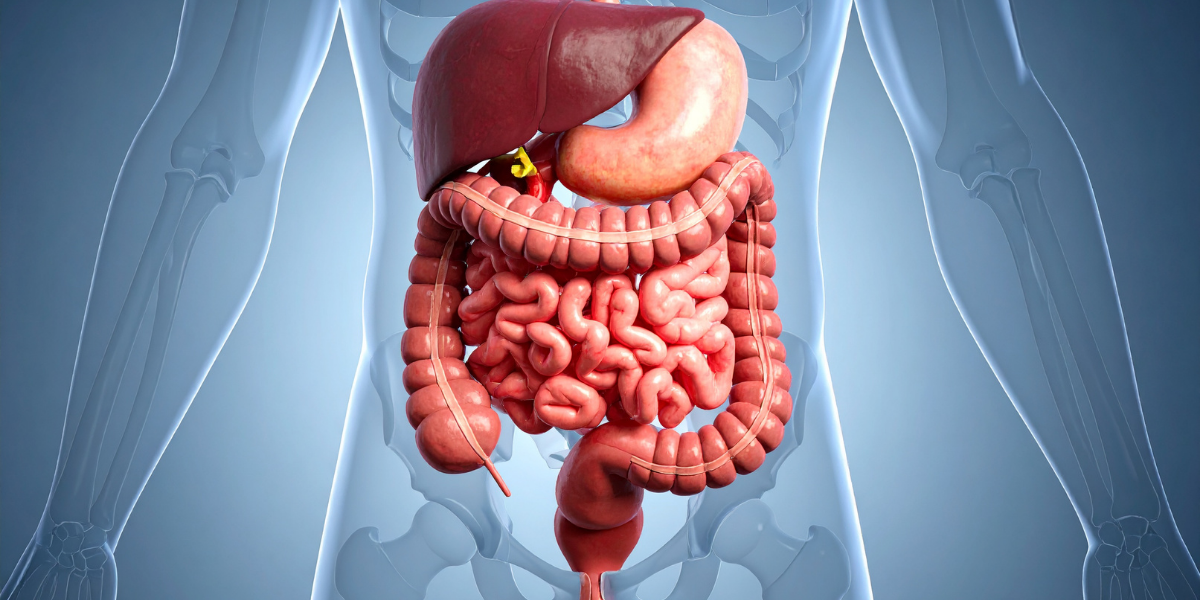
Reflux Doesn’t Always Mean Too Much Acid
Many symptoms commonly labeled as “high acid” are actually associated with low stomach acid, including:
Heartburn
Belching
Bloating
Early fullness
Nausea after meals
When acid is too low:
The stomach doesn’t empty properly
Pressure builds
Acid is more likely to move upward into the esophagus
Suppressing acid may temporarily reduce symptoms, but it doesn’t always address the root cause.
Long-Term PPI Use: What to Know
Proton pump inhibitors (PPIs) can be appropriate and helpful in short-term or acute situations. However, long-term use may be associated with:
Reduced absorption of B12, iron, magnesium, and calcium
Increased risk of gut dysbiosis and SIBO
Weakened protein digestion
Rebound acid hypersecretion when discontinued abruptly
This doesn’t mean PPIs are “bad”—it means they’re not always meant to be a lifelong solution without re-evaluation.
Important: Never stop or reduce acid-suppressing medications without medical guidance.
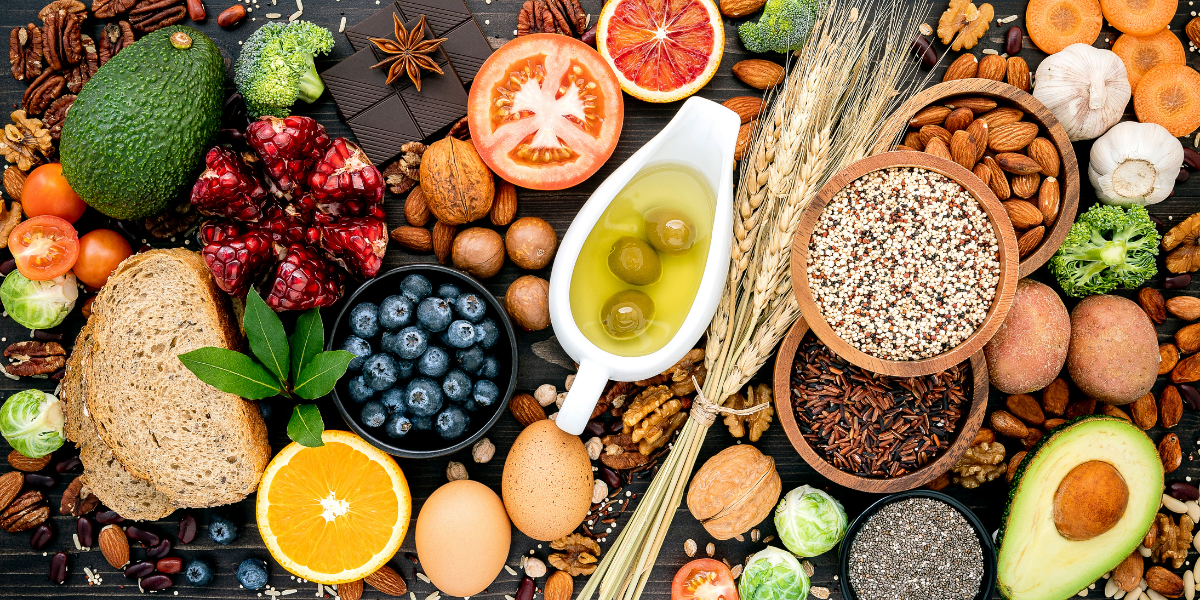
Nutrients Required for Stomach Acid Production (and Food Sources)
Stomach acid production is a nutrient-dependent process. If these nutrients are lacking, acid production can suffer.
1. Zinc
Zinc is essential for HCl production in the stomach.
Food sources:
Oysters
Beef, lamb
Pumpkin seeds
Chickpeas
Cashews
2. Sodium & Chloride
Hydrochloric acid requires chloride, often overlooked in low-salt diets.
Food sources:
Unrefined sea salt
Celery
Olives
Sea vegetables
3. Vitamin B1 (Thiamine)
Thiamine supports vagal tone and stomach acid signaling.
Food sources:
Pork
Sunflower seeds
Lentils
Black beans
4. Vitamin B6
B6 supports neurotransmitter signaling involved in digestion.
Food sources:
Chickpeas
Salmon
Poultry
Potatoes
5. Protein
Adequate protein intake itself stimulates stomach acid production.
Food sources:
Eggs
Poultry
Fish
Grass-fed meat
Legumes (as tolerated)
Factors That Decrease Stomach Acid Production
Stomach acid naturally declines under certain conditions—many of which are common.
1. Chronic Stress
Stress diverts blood flow away from digestion and suppresses acid production.
You can eat the “perfect” diet, but if meals are rushed or stressful, digestion suffers.
2. Aging
Stomach acid production tends to decrease with age, increasing the risk of deficiencies over time.
3. Long-Term Acid Suppression
PPIs and H2 blockers reduce acid production directly and can lead to dependency when used long term.
4. Nutrient Deficiencies
Low zinc, B vitamins, sodium, or protein intake can impair acid production.
5. Skipping Meals or Under-Eating
Consistently undereating or restricting protein can downregulate digestive signaling.
6. Poor Chewing & Fast Eating
Digestion starts in the mouth. Inadequate chewing reduces signals needed for acid release.
Supporting Stomach Acid
Depending on the individual, support may include:
Eating slowly and chewing thoroughly
Adequate protein at meals
Bitter foods (arugula, lemon, dandelion greens)
Addressing stress and nervous system regulation
Correcting nutrient deficiencies
Support should always be personalized, especially for those with gastritis, ulcers, or medication use.
Final Thoughts
Stomach acid is not the enemy it’s essential for digestion, nutrient absorption, immune defense, and gut balance.
Many chronic digestive symptoms don’t stem from excess acid, but from impaired digestive function upstream. Supporting digestion rather than suppressing it long term can be a powerful shift toward better gut and overall health.
If you’re experiencing persistent digestive symptoms, fatigue, or nutrient deficiencies, it may be worth looking at digestion from the top down.